Michael Kettle graduated from the University of Cambridge Veterinary School in 1996 and has
many years of experience in small animal practice. In 2023 he gained the Certificate in
Veterinary Ophthalmology, further developing his expertise in the diagnosis and treatment of eye
conditions in dogs and cats.
Michael offers dedicated ophthalmology consultations at Minster Veterinary Centre, providing
thorough assessment and management of a wide range of ocular conditions. These include
common problems such as red or painful eyes, corneal ulcers, dry eye, eyelid abnormalities and
cataracts, as well as more complex or chronic eye disease.
Ophthalmology
24 Hour Emergency Care Available
Michael Kettle
BA VetMB PGCertSAM PGCertSAOphthal (BSAVA) PgDETS MRCVS
Advanced Practitioner in Small Animal Ophthalmology

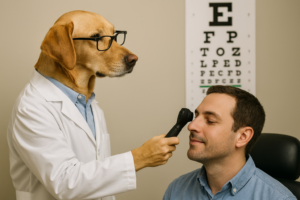
Consultations include detailed eye examinations using specialist ophthalmic equipment, allowing
accurate diagnosis and tailored treatment plans. Michael works closely with the wider veterinary
team to ensure patients receive the highest standard of care and, where appropriate, can advise on
referral for advanced surgical procedures.
Michael is currently awaiting confirmation of Advanced Practitioner status in Veterinary
Ophthalmology.
At Minster Veterinary Centre we understand how important vision and eye comfort are to your
pet’s wellbeing, and our ophthalmology service aims to provide careful, compassionate and up-
to-date care for all eye conditions.
Common Eye Conditions We Treat
Our ophthalmology service at Minster Veterinary Centre provides diagnosis and treatment for a
wide range of eye conditions affecting dogs and cats. Early examination is important for many
eye problems, as prompt treatment can prevent discomfort and protect vision.
Some of the common conditions we investigate and manage include:
Structural Abnormalities
Some dogs will have a genetic predisposition or body shape making certain abnormalities more common such as cherry eye or cartlidge issues.
Eyelid abnormalities
Problems with eyelid structure or eyelash growth can cause irritation, pain and corneal damage.
These include conditions such as entropion (inward rolling eyelids), ectropion (outward turning
eyelids), distichiasis and ectopic cilia (abnormally positioned eyelashes), as well as eyelid
injuries and trauma.
Corneal ulceration
Ulcers of the cornea (the clear surface of the eye) are a common cause of a painful red eye.
These can develop following trauma, infection or underlying eye disease. Careful examination
allows appropriate treatment and monitoring to support healing and protect the eye.
Dry eye (Keratoconjunctivitis sicca)
Dry eye occurs when the eye does not produce enough tears, leading to inflammation, discharge
and discomfort. Diagnosis involves specific tear tests, and long-term medical management can
usually control the condition effectively.
Glaucoma assessment
Glaucoma is a serious condition involving increased pressure within the eye that can threaten
vision. Diagnosis includes measurement of intraocular pressure and specialised testing such as
gonioscopy to evaluate the eye’s drainage angle.
Retinal disease
Diseases affecting the retina can lead to reduced vision or blindness. Ophthalmic examination
allows identification of retinal abnormalities and helps guide further investigation, management
and advice for pet owners.
What Procedures Can We Perform At Minster Veterinary Centre?
- Cherry Eye Correction
- Entropian Correction
- Ectropian Correction
- Diamond Burr For Corneal Ulceration
- Keratectomy
- Cryoepilation
- Reconstructive Eyelid Surgery
- Eye Lid Mass Removal
- Conjuctival Pedicle Graft
- Biomicroscopy Using A Slit Lamp
- Assessment Of Tear Production And Quality
- Tonometry
- Eyelid Conformation Assessment
- Retinal Examination By Direct And Indirect Ophthalmoscopy
- Ocular Ultrasound
- Gonioscopy
What Happens During an Ophthalmic Examination?
An ophthalmic consultation at Minster Veterinary Centre is designed to provide a thorough and
detailed assessment of your pet’s eyes and vision. Eye problems can develop quickly and may be
uncomfortable or painful, so careful examination is important for accurate diagnosis and
treatment.
During the consultation, Michael will first take a full clinical history, discussing your pet’s
symptoms, how long the problem has been present, and whether there have been any changes in
vision, discharge, redness or discomfort.
A systematic eye examination is then performed using specialised ophthalmic equipment. This
typically includes:
Assessment of vision and eye comfort
Your pet’s visual responses and eye movements are assessed to determine whether vision is
affected.
Examination of the eyelids and surface of the eye
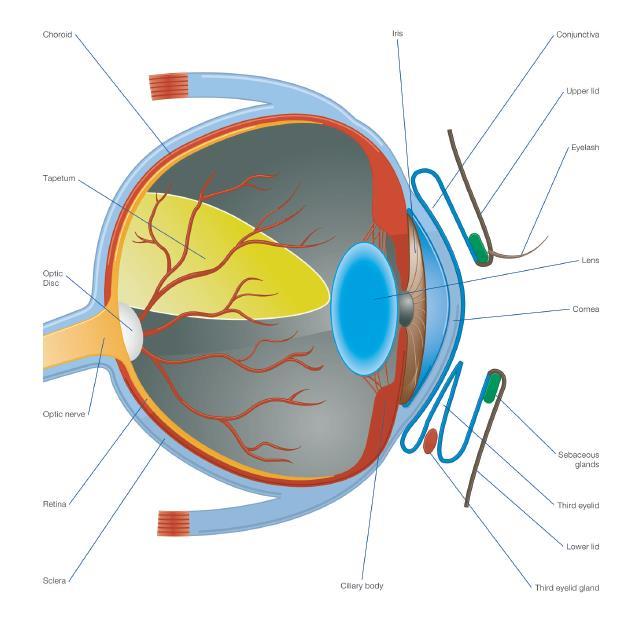
The eyelids, eyelashes and front surface of the eye (cornea and conjunctiva) are examined using
magnification and bright focal light.
Fluorescein Staining
A safe fluorescent dye may be applied to the eye to detect corneal ulcers or damage to the
surface of the eye.
Tear production testing
A simple tear test may be performed to diagnose conditions such as dry eye.
Measurement of intraocular pressure
Pressure within the eye can be measured using a handheld instrument (tonometry) to help detect
conditions such as glaucoma.
Examination of the internal structures of the eye
Using specialised lenses and an ophthalmoscope, the deeper structures of the eye—including the
lens and retina—can be examined.
Additional tests if required
In some cases further specialised procedures, such as gonioscopy (assessment of the eye’s
drainage angle), may be recommended to investigate glaucoma risk.
Most eye examinations are well tolerated by pets and usually do not require sedation. After the
examination, Michael will discuss the findings, explain the diagnosis where possible, and outline
the recommended treatment or management plan.
Our aim is always to ensure your pet receives prompt, accurate and compassionate care to
maintain both comfort and vision.
When Should My Pet See an Eye Vet?
Eye problems in pets can develop quickly and may cause significant discomfort or affect vision
if not treated promptly. If you notice any changes in your pet’s eyes, it is always best to seek
veterinary advice as early as possible.
Your pet should be examined if you notice any of the following signs:
Red or inflamed eyes
Persistent redness can indicate irritation, infection, corneal injury, or other underlying eye
disease.
Squinting or signs of pain
If your pet is squinting, keeping the eye closed, or rubbing at the face, this may indicate a painful
eye condition such as a corneal ulcer.
Discharge from the eye
Thick, yellow, green or excessive watery discharge may suggest infection, dry eye, or
inflammation.
Cloudiness or a change in eye colour
Any sudden change in the appearance of the eye, including a blue, white or cloudy appearance,
should be checked promptly.
Swelling of the eyelids or trauma to the eye
Eye injuries can occur during play, walks, or accidents and should always be assessed as soon as
possible.
Changes in vision
Bumping into objects, reluctance to move in dim light, or difficulty finding toys or food may
indicate reduced vision or retinal disease.
Chronic or recurring eye problems
Pets with repeated eye infections, ongoing discharge, or known eyelid abnormalities may benefit
from a more detailed ophthalmic examination.
Early diagnosis and treatment can make a significant difference in both comfort and long-term
vision. If you are concerned about your pet’s eyes, your usual vet may recommend an
ophthalmic consultation at Minster Veterinary Centre for a more detailed assessment.
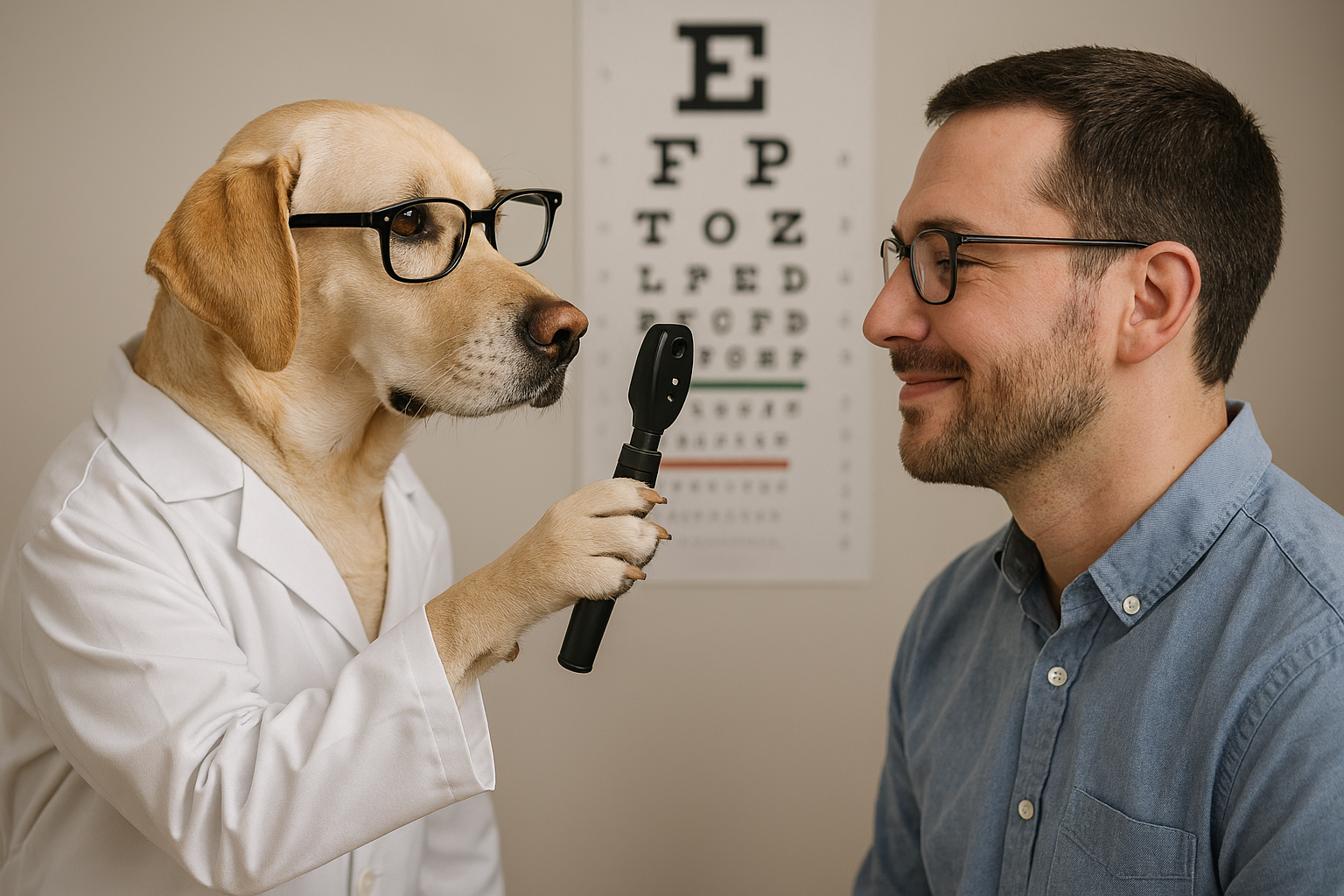
Call to Action
📍 Based within Minster Veterinary Centre Southwell Surgery
📩 External referrals accepted
📞 Contact the practice to arrange a consultation
Minster Veterinary Centre Routine Services Include:
-
- Puppy and kitten health check and primary vaccination courses
- Puppy and kitten care packages
- Booster vaccinations and health checks
- Annual parasite prevention packages
- Microchipping
- Neutering
- BVA hip scoring
- BVA elbow scoring
- Nurse led clinics
- Diagnostic imaging – x-ray and ultra sound
- Dental procedures
- In-house blood work
- 24 hour emergency service
- Referral to appropriate specialists
- Cardiology Referrals
- Behaviour Referrals
- OA and Joint Pain Referrals (Motion@Minster)
- Therapeutic K Laser
- Acupuncture
- BVA eye scoring
- Ophthalmology Referrals
- PETS (Pet European Travel Scheme) + Pet Export
- Orthopaedic and Soft Tissue Surgeries